What is A4 Thermal Paper and How is it Used?
A4 Thermal Paper is a versatile tool widely used in various industries. Its importance has grown in recent years. According to a report by Technavio, the global thermal paper market is projected to reach $4 billion by 2025. A4 size thermal paper is particularly popular for printing invoices, receipts, and labels.
Many retailers rely on it for efficient customer transactions. The paper responds to heat without the need for ink. This simplicity contributes to its growing adoption. However, some challenges exist. The durability of prints can vary based on environmental conditions. Sunlight and humidity can fade the printed information quickly.
Moreover, the eco-friendliness of A4 thermal paper has raised questions. There is an ongoing debate about the materials used in its production. While it offers convenience, the impact on the environment is a concern. In conclusion, A4 thermal paper plays a crucial role in daily operations across sectors, highlighting both its benefits and drawbacks.
What is A4 Thermal Paper?
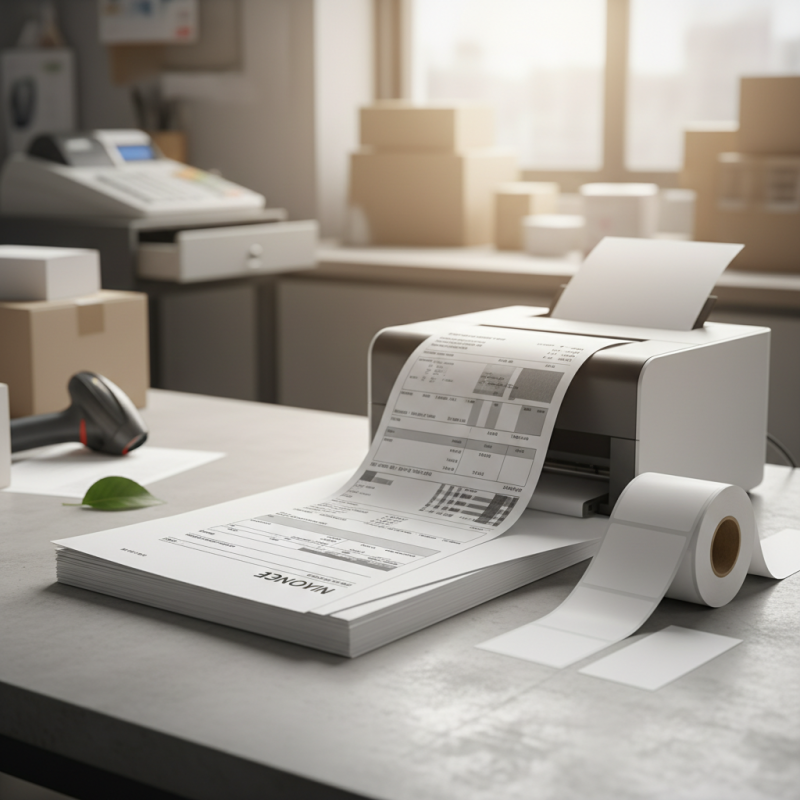
A4 thermal paper is a specialized paper used in thermal printers. This paper has a coating that reacts to heat. When the printer head heats the paper, it creates an image or text without needing ink. It is commonly found in receipt printers and label makers.
A4 size measures 210 x 297 mm. This allows for easy handling and fits well in many printing tasks. A4 thermal paper is popular for printing receipts in shops or food establishments. Its smooth surface ensures clear and crisp outputs. However, sometimes the prints can fade over time, which is something to consider.
Using A4 thermal paper requires a thermal printer. Not every printer is compatible with it. Users may find that some printers may not produce the best results. For instance, issues such as smudging or inconsistent prints can occur. It's essential to test your printer with various types of thermal paper before making large purchases.
A4 Thermal Paper Usage Statistics
The Composition and Features of A4 Thermal Paper
A4 thermal paper is a unique type of paper designed for specific printing needs. It consists mainly of base paper, a thermal coating, and a protective layer. The base paper provides strength and durability. The thermal coating reacts to heat, creating printed images without ink. This paper is commonly used in receipt printers, labels, and tickets.
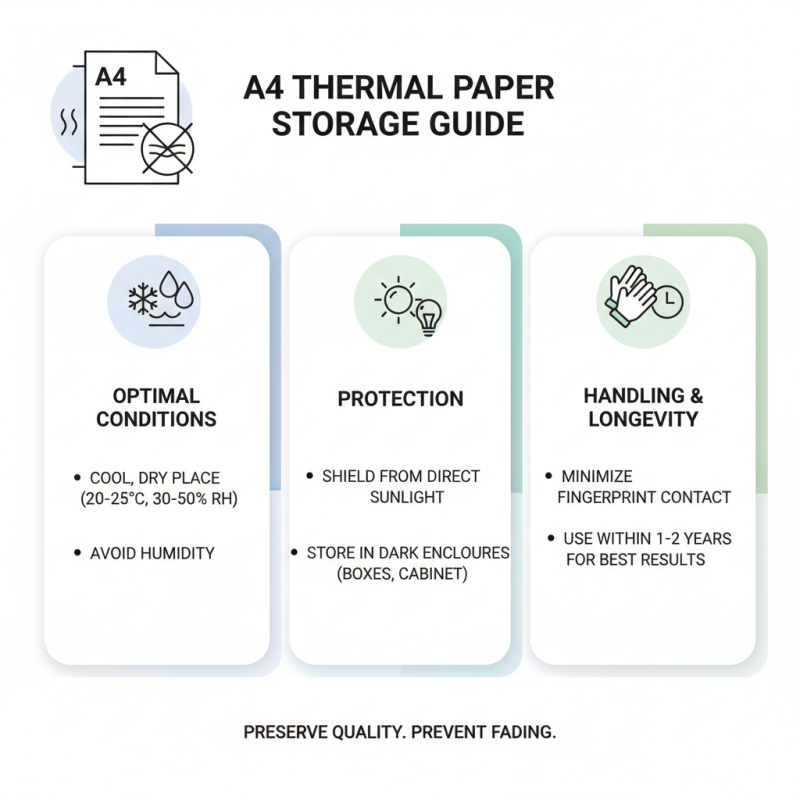
One key feature of A4 thermal paper is its sensitivity to temperature. It can become discolored if exposed to heat or sunlight. Consequently, proper storage is essential. The paper must be kept in a cool, dry place. This distinct composition allows for quick printing, but it may also lead to fading over time. Users should be aware of its limitations.
Another aspect to consider is the environmental impact. A4 thermal paper does not biodegrade easily. It often contains BPA, which raises health concerns. Some users may overlook these factors, focusing solely on convenience. Though functional, this paper requires careful handling and responsibility to minimize potential downsides.
Common Applications of A4 Thermal Paper in Everyday Use
A4 thermal paper is a versatile material used in many everyday applications. One of the most common uses is in receipt printing. Shops and restaurants utilize this paper for quick and efficient transactions. The printer heats the surface of the paper, creating sharp black images for receipts. Customers appreciate the easy readability and fast service.
Another significant application is in the transportation sector. Ticketing systems often use A4 thermal paper for bus and train tickets. These tickets typically resist fading, ensuring clear information during the journey. However, the durability can sometimes be an issue. In humid conditions, the print may smear, leading to confusion.
In healthcare, A4 thermal paper is employed for printing patient labels and prescriptions. Accuracy is critical in this sector, but mistakes can happen. A mislabelled prescription can lead to serious consequences. Thus, careful monitoring is necessary. Users must check each label before administering medication. While A4 thermal paper offers many benefits, awareness of its limitations is essential.
Comparing A4 Thermal Paper to Other Types of Printing Paper
A4 thermal paper is quite distinct from regular printing paper. While most printing papers are designed for inkjet or laser printers, A4 thermal paper utilizes a chemical coating. This allows it to produce an image when heated. According to industry studies, thermal paper is used primarily for receipts and labels, making it essential for retail and logistics sectors.
One big difference lies in durability. Standard paper can fade over time. In contrast, thermal paper can lead to images that may vanish if exposed to heat or direct sunlight. A report from the Paper and Forest Products Industry Association indicated a 25% increase in demand for thermal papers over the last decade. This suggests a growing preference for quick and efficient printing solutions.
Tip: Use A4 thermal paper in environments without extreme temperatures to maintain image quality.
While A4 thermal paper has many benefits, such as cost-effectiveness, it is important to use it carefully. The sensitivity of the coating means it may not be suitable for archival purposes. Users must reflect on these limitations when choosing the right paper for specific tasks.
Tip: Always store thermal paper away from bright light and heat sources to extend its life.
What is A4 Thermal Paper and How is it Used? - Comparing A4 Thermal Paper to Other Types of Printing Paper
| Type of Paper |
Uses |
Advantages |
Disadvantages |
| A4 Thermal Paper |
Receipts, labels, and tickets |
Quick printing, no ink required |
Sensitive to heat and light |
| Inkjet Paper |
Photos, documents, and images |
High-quality prints and color depth |
Requires ink cartridges |
| Laser Paper |
Business documents, reports |
Sharp text and graphics |
Can be more expensive; requires toner |
| Photo Paper |
Photography prints |
Professional quality and durability |
Higher cost, requires specific printer settings |